Iguazu Falls Circuit by Circuit: Every Trail, Viewpoint and What You'll See
The short answer
Six walking routes matter here. Argentina has the Upper Circuit, the Lower Circuit, the Sendero Verde and the Sendero Macuco; Brazil has the Trilha das Cataratas and its quiet siblings at Poço Preto and Bananeiras. The Argentine Garganta del Diablo walkway is a seventh and it is currently dismantled.
How the circuits fit together
The Argentine park is built around a narrow-gauge train that runs between three stations, with walking circuits hanging off two of them. The Brazilian park is one trail with buses at each end. Knowing which station or stop a circuit starts from is most of what makes a day here run smoothly, and the full station timetable sits on the Argentine side.
| Circuit | Country | Length | Effort | Time |
|---|---|---|---|---|
| Circuito Superior | Argentina | ~1,750 m | Level walkway, no steps of note | 1½ hours |
| Circuito Inferior | Argentina | ~1,700 m | About 180 steps, steep in places | 2 hours |
| Garganta del Diablo | Argentina | ~1,100 m | Level — currently dismantled | — |
| Sendero Verde | Argentina | 600 m | Flat forest path | 15 minutes |
| Sendero Macuco | Argentina | 7 km return | Forest trail, uneven | 3 hours |
| Trilha das Cataratas | Brazil | 1.5 km | Paved, gently downhill | 2–3 hours |
| Caminho do Poço Preto | Brazil | 9 km each way | Walk or cycle | Half a day |
| Caminho das Bananeiras | Brazil | 2.6 km return | Flat, to the riverbank | 1 hour |
Circuito Superior — the falls from above
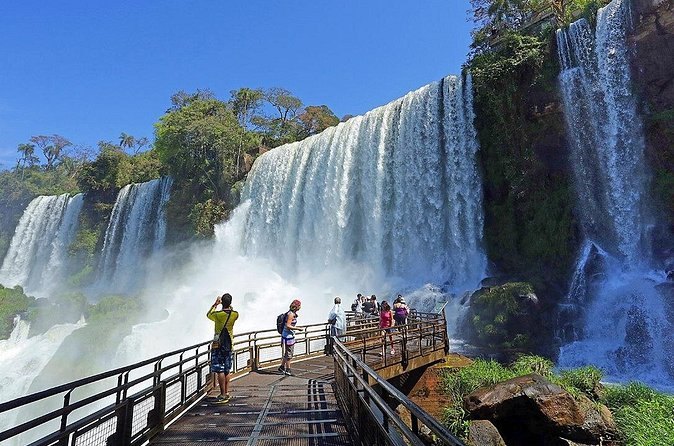
The Upper Circuit runs along the tops of the cascades on steel walkway, looking down the drop rather than up at it. It is level for its whole length, which makes it the circuit to choose with a stroller, a walking aid or tired legs at the end of a long day.
You pass directly over Salto Bosetti and the Dos Hermanas, and the noise arrives from underneath you, which is a strange sensation the first time. Allow ninety minutes with photographs.
Circuito Inferior — the falls from underneath
The Lower Circuit drops through forest to the base of the falls, and it is the steeper of the two: roughly 180 steps, with the consistent advice from people who have done it that going down is considerably easier than coming back up.
Its reward is the view up at Salto San Martín, the largest single fall you can stand opposite, and the jetty where the Gran Aventura boat leaves. The free ferry to Isla San Martín also runs from here when the river is low enough, which in 2026 it frequently has not been.
Garganta del Diablo — closed since 3 August 2026
The Devil's Throat circuit is a walkway more than a kilometre long, running out over the top of the river to the edge of the chasm. Parque Nacional Iguazú suspended access on 3 August 2026 as the river rose and began removing the structure section by section, storing it at Garganta station until the flow allows it back. The park was explicit that its 30 to 40-day removal estimate is not a reopening date.
The train still runs to the station. What is not there is the walkway at the end of it.
Seeing the Throat anyway. The far end of the Brazilian trail looks straight across the chasm from about the same height, and a ten-minute helicopter flight from Foz do Iguaçu looks into it. Those are the two options while the Argentine walkway is down, and both are described on highlights and activities.
Sendero Verde and Sendero Macuco — the forest ones
The Sendero Verde is a 600-metre link between the visitor centre and Cataratas station that most people ride past on the train without realising it is a trail at all. Walk it in one direction and you have seen more forest than the rest of the day will show you.
The Sendero Macuco is the real one: seven kilometres there and back to the Arrechea fall and its plunge pool, closing to new walkers in the early afternoon. It is the best chance in either park of seeing something other than a coati, which is the subject of the wildlife page.
Trilha das Cataratas — Brazil's single trail
One and a half kilometres of paved trail from the bus stop to the river, facing the entire Argentine rim the whole way. Viewpoints step off it every few hundred metres and it descends gently, so the walking is easy and the photographs are the ones everybody recognises.
It finishes on a walkway built out into the river below the Garganta do Diabo, which is the closest you can currently get to the Throat from either country — and which closes at short notice when the flow is high, as it was at 13:00 on 11 September 2026.
Poço Preto and Bananeiras — the trails almost nobody walks
Both are inside the Brazilian park ticket and both are nearly empty. The Caminho do Poço Preto runs nine kilometres into the forest, open 09:00–12:00 on foot and to 15:00 by bicycle. The Caminho das Bananeiras is a 2.6-kilometre return walk to a deck on the river at Espaço Taupá. If the main trail feels crowded, this is where the park stops being busy.
What the train and the buses actually do for you
Neither park expects you to walk between its circuits. Argentina runs the Tren Ecológico from Estación Central through Cataratas to Garganta, first departure 08:20 and last departure out at 15:30, with the last return at 17:30. It moves at walking pace through the forest, which is the point rather than a limitation.
Brazil runs open-topped double-deckers between the Visitor Centre, the trailhead and the far end of the trail, included in the ticket. They are also how you get back up at the end without re-walking a descent you have already done. Both services are inside the admission prices on plan your visit.
Accessibility, circuit by circuit
The Brazilian trail is the accessible route: paved, gently graded and served by buses at both ends. On the Argentine side the Upper Circuit is level for its whole length on built walkways, while the Lower Circuit's 180 steps put it out of reach of a wheelchair and make it hard work with a stroller.
The Sendero Macuco is a forest trail with uneven ground and is not built for wheels at all. One of the private Iguazu Falls tours runs wheelchair-accessible transport with infant seats, which solves the part of the day the parks cannot.
Which circuits to do, and in what order
- Half a day, Brazil: Trilha das Cataratas and the walkway. Nothing else fits.
- One day, Argentina: Lower Circuit first thing, then the boat, then the Upper Circuit in the afternoon.
- One day, both countries: Brazil in the morning, cross at lunch, Upper Circuit in the afternoon.
- Two days: Brazil plus Bananeiras on day one; the full Argentine set plus Macuco on day two.
The order matters more than the list does. Steep before hot, wet in the middle, level at the end.
Decided which circuits you want? The next question is who takes you round them and whether the gate fee is in the fare. Compare that at Iguazu Falls Tours.
Tours that walk these circuits
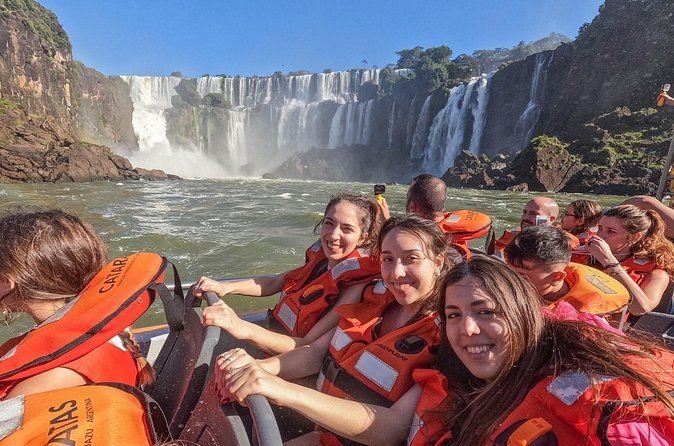
Iguazu Falls: Argentinian Side with Boat Ride, Jungle-truck and Train
Seven hours on the Argentine circuits with the train, the truck and the boat.
From $163 per person
Check Availability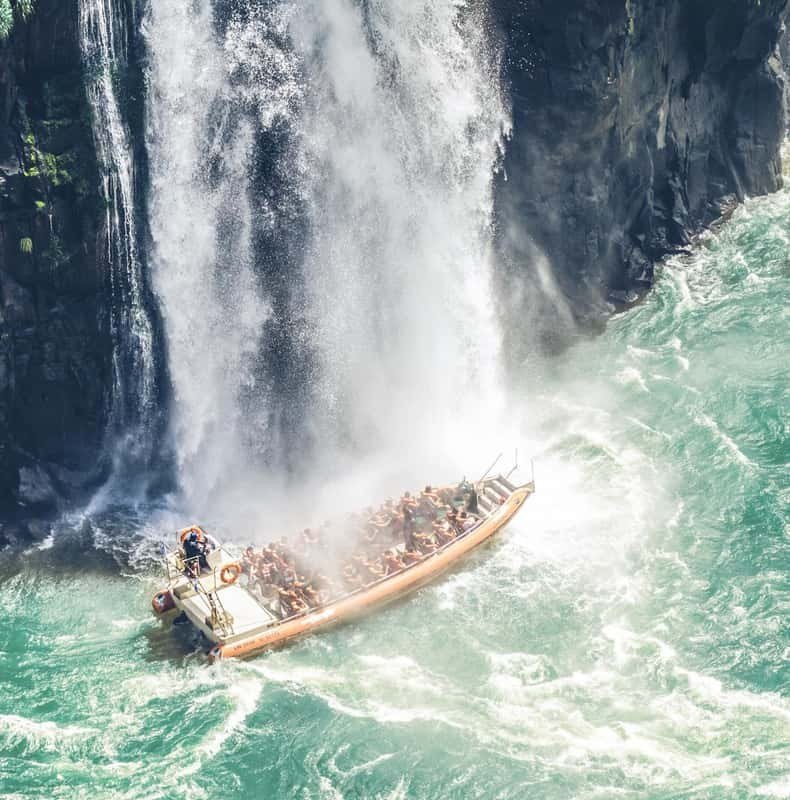
From Foz do Iguazu: Brazil Iguazu Falls & Macuco Safari Boat
The Brazilian trail and the Macuco Safari, with the park ticket included.
From $175 per person
Check Availability
Private Tour Iguazu Falls Argentina + Tri-border
Eight hours on the Argentine circuits at your own pace, wheelchair transport available.
From $82 per person
Check Availability